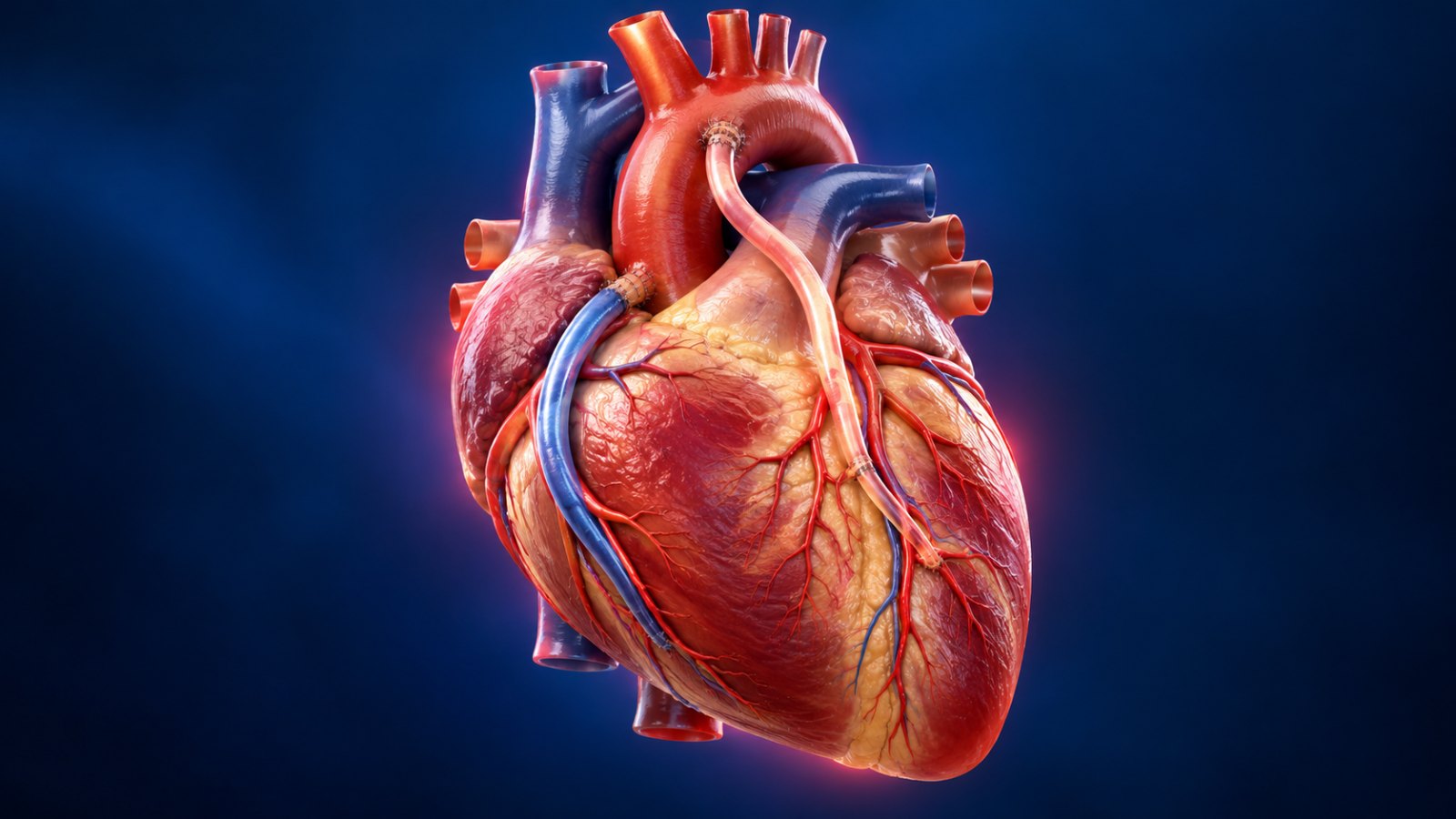
The monitor beside the ICU bed is still beeping. His chest still rises and falls. His hand is still warm. So when the doctors tell the family that 34-year-old Arjun, injured in a road accident two days ago, is brain dead, his mother asks the question almost every family asks: “How can he be dead when his heart is still beating?”
A few kilometres away, a 14-year-old girl with a failing heart is connected to machines too. She is waiting for a donor heart. Whether she gets one depends, in a very real way, on whether families like Arjun’s understand what brain death means and feel confident saying yes to organ donation.
As a heart and lung transplant surgeon, Dr. Asher George Joseph sees both sides of this story: the families facing the worst day of their lives, and the patients whose lives depend on their decision. This article answers the questions families ask most, and clears up the myths that, every year, quietly cost lives in India.
Arjun and the young patient are composite examples, not real individuals.
✔️ Key Takeaways
- Brain death is death. It is the complete and irreversible loss of all brain function, including the brainstem. It is legally recognised as death in India.
- It is not a coma and not a “vegetative state”. A brain-dead person cannot wake up or breathe on their own.
- In India, brain death must be certified by a board of four doctors, after two sets of tests at least six hours apart. The transplant team is not involved in this decision.
- India’s deceased organ donation rate is still less than one donor per million people, among the lowest in the world.
- One donor can save up to eight lives and improve many more through tissue donation.
- Your family’s consent is required at the time of death, even if you have pledged. The most important step is to tell them your wishes.
What Brain Death Actually Means
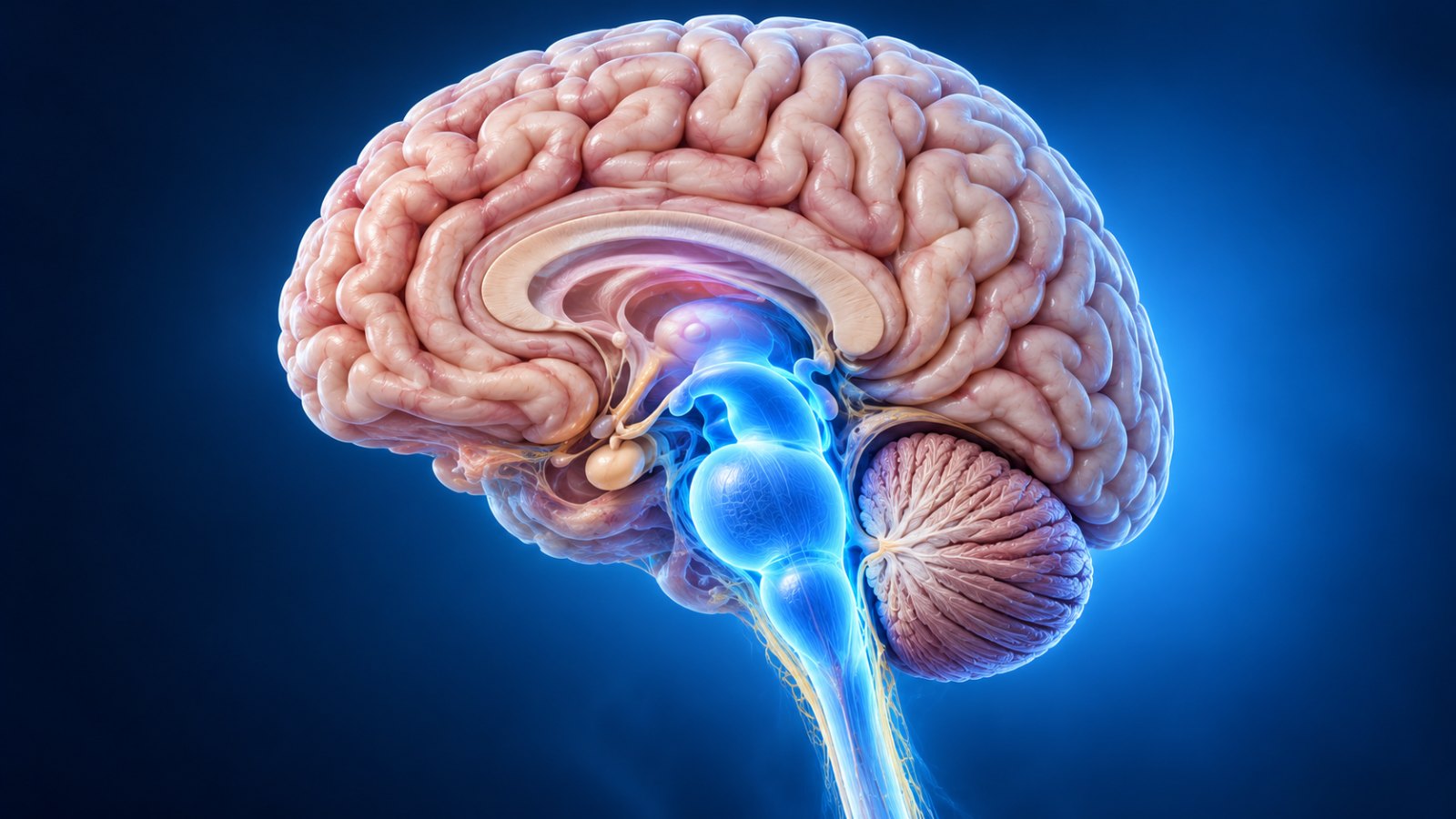
The brain controls everything that keeps us alive, including breathing, consciousness and the body’s basic regulation. The brainstem, at the base of the brain, controls breathing and essential reflexes.
After a severe injury, such as a major head injury, a large bleed in the brain or prolonged lack of oxygen, the brain can swell inside the rigid skull until blood can no longer reach it. When this happens, brain cells die and cannot recover. This is brain death.
So why is the heart still beating? The heart has its own built-in electrical pacemaker and does not need signals from the brain to beat, as long as it receives oxygen. The ventilator pushes air into the lungs, oxygen reaches the blood, and the heart keeps beating, but only for a limited time, and only with machines. Without the ventilator, breathing stops immediately, because the brain can no longer tell the body to breathe.
Brain Death vs Coma vs Vegetative State
These terms are often used interchangeably in films and conversations, which creates a lot of confusion and false hope.
| Feature | Coma | Vegetative state | Brain death |
|---|---|---|---|
| Brain activity | Reduced but present | Brainstem works; awareness lost | None, permanently |
| Breathes on own | Often yes | Usually yes | No |
| Can recover | Possible | Rarely, partially | Never |
| Legally dead | No | No | Yes |
| Eligible for organ donation as deceased donor | No | No | Yes, with family consent |
How brain death differs from other serious brain conditions
How Brain Death Is Certified in India
India’s Transplantation of Human Organs and Tissues Act sets out a strict, legal process for declaring brain stem death. It is deliberately designed so that the decision is independent, careful and repeatable.
- A board of four doctors is involved: the doctor in charge of the hospital, an independent specialist nominated from a government-approved panel, a neurologist or neurosurgeon (or another approved specialist when one is not available), and the doctor treating the patient.
- Reversible causes are ruled out first, such as sedative drugs, very low body temperature, or severe chemical imbalances that can mimic brain death.
- Clinical tests are performed to check for any brainstem reflexes, including pupil response, response to pain, the gag and cough reflexes, and eye reflexes.
- The apnoea test checks whether the patient makes any attempt to breathe when the ventilator is briefly paused while oxygen is still supplied.
- The tests are repeated after at least six hours. Only when both sets confirm the absence of brain function is brain death certified.
🩺 Independence is built into the law
No member of the transplant team can be part of the board that certifies brain death. The doctors treating the patient work to save that patient’s life. The question of organ donation is raised only after death has been independently confirmed.
The Organ Donation Gap in India
India now performs one of the highest numbers of organ transplants in the world, about 18,900 transplants in 2024, according to the National Organ and Tissue Transplant Organisation (NOTTO). But the vast majority of these come from living donors, mostly family members donating a kidney or part of a liver.
Deceased donation, which is the only source of hearts and lungs, remains far behind. In 2024, only about 3,400 transplants came from deceased donors, and the national deceased donation rate is below one donor per million people. Spain, by comparison, has around 48 donors per million.
Karnataka is among the better-performing states, with 162 deceased donors in 2024, but the gap between the number of people waiting and the organs available is still enormous. For patients who need a heart or lung transplant, there is no living-donor option. Every single one of those operations depends on a family’s decision in an ICU waiting room.
9 Myths About Organ Donation That Cost Lives
The ICU team’s only job is to save your life. They are completely separate from the transplant team, and donation is discussed only after death has been certified by an independent board.
People in a coma can sometimes recover. People who are brain dead cannot. The stories of patients “waking up” almost always involve people who were in a coma or were never correctly certified as brain dead using the full legal process.
Most major religions practised in India support or permit organ donation, often seeing it as an act of compassion and charity. If you are unsure, speak with a religious leader you trust.
Organ retrieval is a careful surgical operation performed with the same respect as any other surgery. The body is closed and returned to the family with dignity, and last rites can proceed as planned.
There is no strict upper age limit for donation. Suitability is assessed organ by organ at the time of death. Even when some organs cannot be used, others, or tissues such as corneas, may help someone.
Deceased-donor organs in India are allocated through state and national registries according to defined criteria such as medical urgency, blood group, size match and waiting time. Buying or selling organs is a criminal offence.
The donor family does not pay for the organ retrieval process. The costs related to donation after brain death has been declared are not passed on to the grieving family.
In India, the family’s consent is still required at the time of death. A pledge is a powerful statement of your wishes, but the conversation with your family is what makes it happen.
A brain-dead donor can donate the heart, lungs, liver, kidneys, pancreas and intestine, as well as tissues such as corneas, skin, bone and heart valves. A heart can only come from a deceased donor.
What Happens After a Family Says Yes
Families often worry about what the process involves and how long it takes. Here is a simplified outline.
- Counselling and consent. A trained transplant coordinator explains the process, answers questions and takes written consent. Families can take time to decide.
- Medical assessment. Blood tests, scans and organ function tests confirm which organs are suitable and check for infections.
- Allocation by the registry. The state organ sharing network (in Karnataka, the State Organ and Tissue Transplant Organisation, widely known as Jeevasarthakathe) allocates each organ to recipients according to its rules.
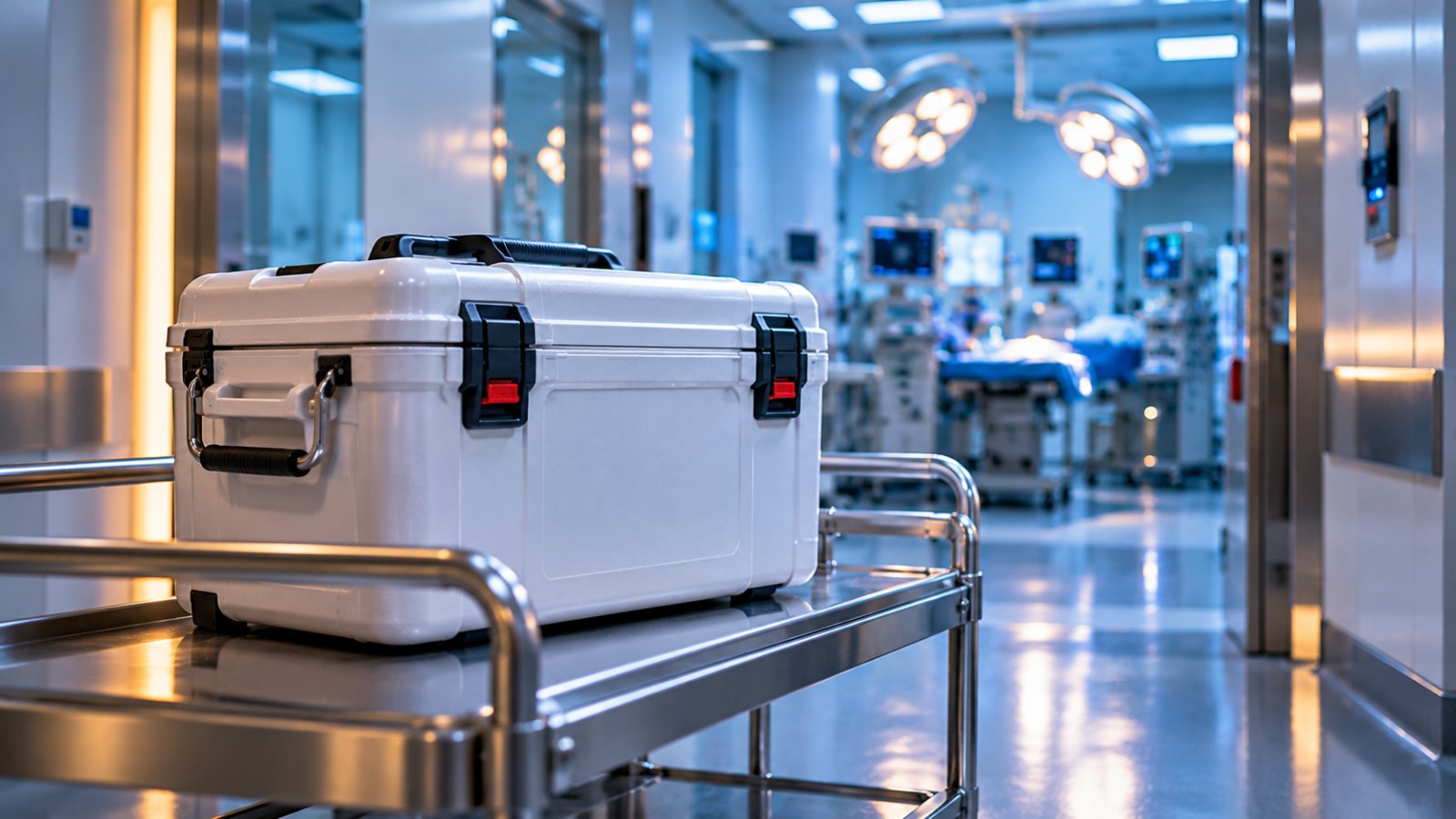
- Retrieval surgery. Surgical teams recover the organs in an operating theatre. Hearts and lungs must be transplanted within a few hours, which is why police often create green corridors to move them quickly across the city.
- Returning the body. The body is returned to the family for last rites. Many families later describe a sense of comfort from knowing their loved one helped others live.
The Other Side: Waiting for a Heart or Lung
For people with end-stage heart failure or advanced lung disease, a transplant may be the only treatment that can restore a normal life. Some wait at home. Others are so unwell that they must be supported in hospital by machines such as ECMO or ventricular assist devices while they wait. You can read more about this in our article on when ECMO is used before heart or lung transplant.
Every donor heart that arrives is a race against time and a team effort: coordinators, ICU staff, retrieval surgeons, traffic police, the transplant team in theatre, and above all, a donor family who chose generosity in their grief.
💡 Learn more about transplant care
If you or a family member has been told that your heart or lungs are failing despite treatment, read about heart and lung transplant evaluation with Dr. Asher George Joseph and the questions patients ask most about lung transplant.
How to Pledge, and How to Talk to Your Family
Pledging your organs
You can register your wish to donate organs through the National Organ and Tissue Transplant Organisation (NOTTO) online pledge, or through your state’s organ donation network. In Karnataka, this is coordinated through the State Organ and Tissue Transplant Organisation (Jeevasarthakathe). Registration is voluntary and free, and you can change your mind at any time.
The conversation that matters most
Families who already know their loved one’s wishes find the decision much easier at a time of shock and grief. You do not need a formal sit-down. Try something simple:
- “I’ve decided I’d like to be an organ donor. If anything ever happens to me, I want you to know that’s my wish.”
- “I read that one person can save up to eight lives. Have you ever thought about organ donation?”
- Bring it up when it comes up in the news, or when filling in forms together.
✔️ Quick facts to share with your family
- Brain death is legally death. It is irreversible.
- Doctors who certify brain death are independent of the transplant team.
- Donation does not prevent last rites or cause disfigurement.
- The donor family does not pay for donation.
- Your family’s consent is required, so tell them your wishes today.
Living with advanced heart or lung failure?
Transplant, mechanical circulatory support and advanced surgical options can offer new hope when medicines are no longer enough. Dr. Asher George Joseph is one of the few surgeons in India trained in both heart and lung transplantation and mechanical circulatory support.
Frequently Asked Questions
Is brain death the same as death?
Yes. Brain death is the complete and irreversible loss of all brain function, including the brainstem. It is recognised as legal death in India under the Transplantation of Human Organs and Tissues Act.
Can someone recover from brain death?
No. People in a coma or vegetative state may sometimes recover some function, but brain death is permanent. A brain-dead person cannot breathe on their own and will not wake up.
Who certifies brain death in India?
A board of four doctors: the doctor in charge of the hospital, an independent specialist from an approved panel, a neurologist or neurosurgeon (or another approved specialist if unavailable), and the treating doctor. Tests are repeated after at least six hours, and no transplant team member is involved.
Can I donate my heart while I am alive?
No. A heart can only be donated after brain death. Living people can donate a kidney, part of the liver and, in rare cases, parts of other organs, usually to close family members.
How do I pledge to donate my organs in India?
You can pledge online through the National Organ and Tissue Transplant Organisation (NOTTO) or through your state’s organ donation network. Most importantly, tell your family, because their consent is needed at the time of death.
Does organ donation delay the funeral?
The donation process usually takes several hours to complete, as tests, allocation and surgery must be coordinated. Teams work to return the body to the family as quickly as possible so last rites can proceed.