
Priya was 29 when climbing the stairs to her second-floor flat began to feel like a mountain trek. Everyone had an explanation: low haemoglobin, stress, “you need to exercise more”. It was only when she became pregnant, and the breathlessness turned frightening, that an echocardiogram showed the real cause: a severely narrowed mitral valve, scarred by an illness she barely remembered from when she was 11.
That illness was rheumatic fever. It began, almost certainly, with a sore throat.
Rheumatic heart disease (RHD) is one of the few heart conditions that mostly affects children, teenagers and young adults, and India carries one of the largest burdens of it anywhere in the world. Yet many families have never heard of it, and many young patients first discover it in an emergency or during pregnancy.
This article explains how a common throat infection can lead to heart valve damage years later, the symptoms that are easy to dismiss, and the full range of treatments, from a monthly injection to balloon procedures and valve surgery.
Priya is a composite example based on common patient journeys, not a single real patient.
✔️ Key Takeaways
- Rheumatic heart disease is permanent heart valve damage left behind by one or more attacks of rheumatic fever, which follows an untreated strep throat infection.
- It is still common in India and often shows up in people in their 20s, 30s and 40s, years after the original illness.
- The mitral valve is affected most often, followed by the aortic valve.
- Breathlessness, palpitations, tiredness and swelling are frequently blamed on anaemia or being “unfit”. An echocardiogram gives the answer.
- Regular penicillin injections prevent repeat attacks and further valve damage. Stopping them early is one of the most common and costly mistakes.
- Treatment ranges from medicines and balloon valvotomy to valve repair or replacement, and choosing the right valve is especially important for young patients and women planning a family.
What Is Rheumatic Heart Disease?
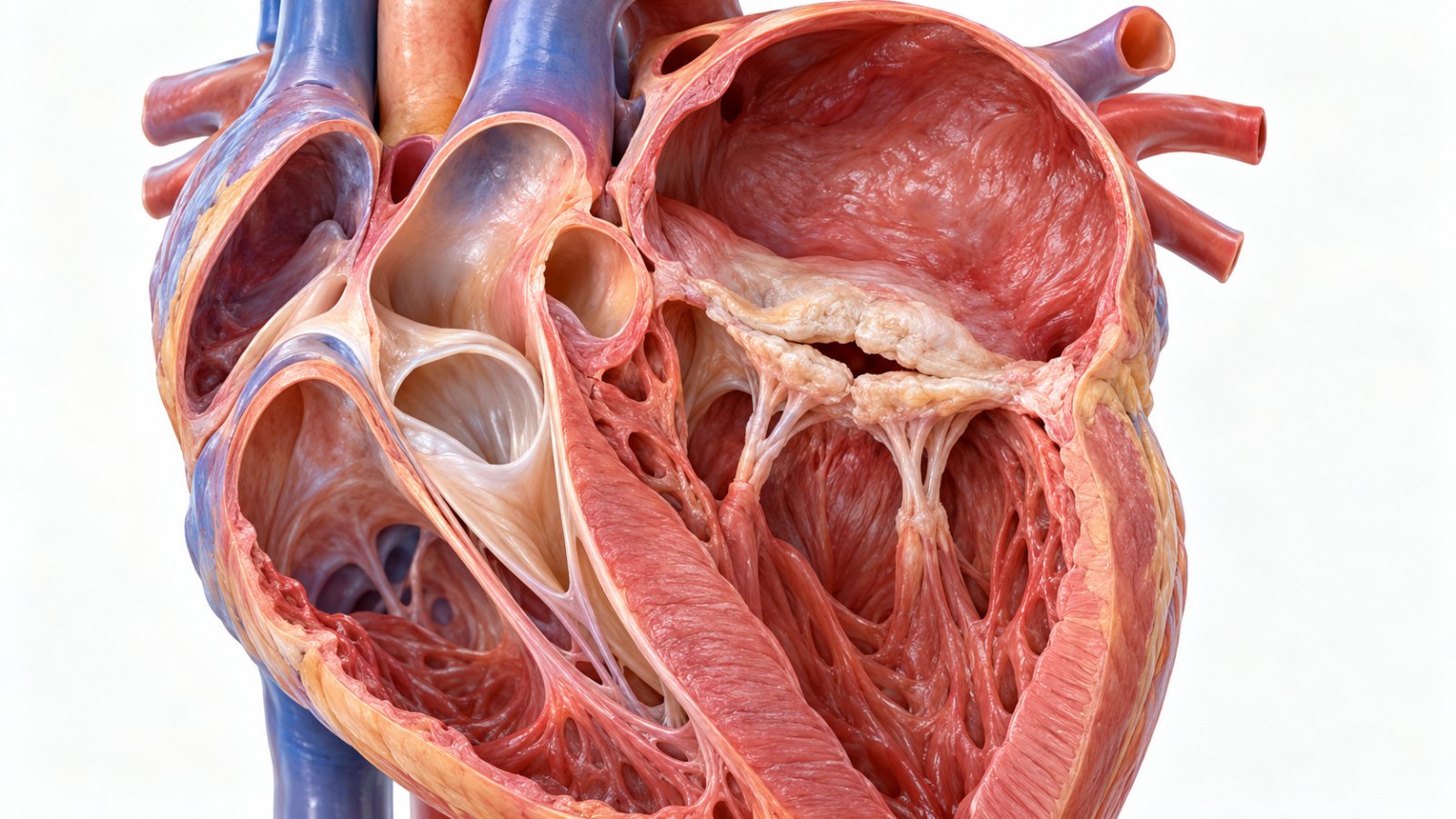
Rheumatic heart disease is the end result of a chain of events that can begin in childhood.
- A strep throat infection. A sore throat caused by a bacterium called Group A Streptococcus, most common in children aged 5 to 15.
- The immune system overreacts. In a small proportion of children whose infection is not treated properly, the body’s defences attack the bacteria and then mistakenly attack the body’s own tissues, because some of them look similar. This is acute rheumatic fever.
- Inflammation reaches the heart. Rheumatic fever can cause painful, swollen joints that move from one joint to another, fever, a rash, and inflammation of the heart, including its valves.
- Repeated attacks leave scars. Each new strep infection can trigger another attack. Over the years the valve leaflets thicken, stiffen and fuse together.
- Valve disease appears years later. The valve either becomes narrow (stenosis), leaky (regurgitation) or both. Symptoms often start in early adulthood.
Rheumatic heart disease is not contagious in itself. The strep throat infection that starts the process can spread between people, but the valve damage cannot.
Why Rheumatic Heart Disease Is Still Common in India
In many high-income countries rheumatic heart disease has become rare. It has not disappeared from India, where it remains an important cause of heart valve surgery in young people. Globally, studies estimate that more than 40 million people live with rheumatic heart disease, and it causes around 300,000 deaths a year, with South Asia accounting for a large share.
The reasons are closely linked to living conditions:
- Crowded housing and schools, which allow strep infections to spread easily
- Sore throats treated at home or with incomplete courses of antibiotics
- Limited access to early diagnosis, especially in rural areas
- Missed or irregular penicillin prophylaxis after a first attack of rheumatic fever
Which Heart Valves Are Affected?
The heart has four valves that act like one-way doors, keeping blood flowing in the right direction.
- Mitral valve: affected in the large majority of patients. Mitral stenosis (narrowing) causes pressure to build up in the lungs, leading to breathlessness. Mitral regurgitation (leakage) makes the heart work harder.
- Aortic valve: the second most commonly affected, often along with the mitral valve.
- Tricuspid valve: may become leaky, usually as a consequence of long-standing mitral disease and high lung pressures.
Many patients have more than one valve involved, which affects the choice of treatment.
Symptoms That Are Easy to Miss
Because rheumatic valve disease progresses slowly, people often adjust their lives around their symptoms without realising it. They take the lift instead of the stairs, sleep on more pillows, or stop playing sport.
- Breathlessness with activity, gradually needing less effort to trigger it
- Breathlessness when lying flat, or waking up at night gasping for air
- Palpitations, often due to atrial fibrillation, an irregular heart rhythm
- Tiredness and reduced stamina
- Swelling of the feet, ankles or abdomen
- Cough, sometimes with blood-streaked sputum, in severe mitral stenosis
- Stroke, which can be the first sign in some patients, caused by clots forming in an enlarged left atrium
⚠️ Pregnancy can unmask hidden valve disease
During pregnancy, the volume of blood in the body rises substantially and the heart rate increases. A narrowed mitral valve that caused few symptoms before can suddenly cause severe breathlessness. Women with known or suspected rheumatic heart disease should ideally have a heart check and echocardiogram before planning a pregnancy.
Myths That Delay Treatment
The joint pain settles, but heart inflammation can leave permanent valve scarring. Many adults with RHD never knew their heart was affected until years later.
Valve narrowing can become severe before symptoms are obvious, and the heart and lungs can be quietly damaged in the meantime. Regular echocardiograms are the only reliable way to track progress.
The injections are not treating symptoms. They prevent new strep infections that can trigger fresh attacks of rheumatic fever and more valve damage. Stopping early is one of the commonest reasons valve disease worsens.
Many women with rheumatic heart disease have successful pregnancies, including after valve repair or replacement. It needs careful planning with a heart team and an obstetrician, particularly regarding the choice of valve and blood thinners.
How Rheumatic Heart Disease Is Diagnosed
- Clinical examination: a doctor may hear a typical murmur with a stethoscope.
- Echocardiogram (heart ultrasound): the key test. It shows which valves are affected, how severe the narrowing or leakage is, how well the heart pumps, and the pressure in the lungs.
- ECG: detects rhythm problems such as atrial fibrillation.
- Chest X-ray: shows heart size and fluid in the lungs.
- Transoesophageal echocardiogram (TEE): a more detailed ultrasound from the food pipe, often used before balloon procedures or surgery to look for clots and examine the valve closely.
Treatment Options: From Injections to Surgery
Treatment depends on which valves are involved, how severe the damage is, your symptoms, and your plans for the future. Learn more about heart valve repair and replacement with Dr. Asher George Joseph.
1. Preventing further damage: secondary prophylaxis
Anyone who has had rheumatic fever or has rheumatic heart disease is usually advised to receive a long-acting penicillin injection (benzathine penicillin) every three to four weeks. Tablets are an alternative for some patients. The duration depends on age and how badly the heart was affected. It commonly continues for many years, often into the 20s or until about 40, and sometimes for life in people with severe valve disease. Your doctor will tell you how long you personally need it.
2. Medicines to control symptoms
Water tablets (diuretics) reduce fluid build-up, rate-controlling medicines slow a fast heart rhythm, and anticoagulants (blood thinners) are essential if you have atrial fibrillation, to reduce the risk of stroke. Medicines help symptoms but do not repair a damaged valve.
3. Balloon mitral valvotomy (PTMC)
For suitable patients with mitral stenosis, a balloon is passed through a vein in the groin to the heart and inflated across the narrowed valve, splitting the fused leaflets apart. It avoids open surgery and is often an excellent option, especially in young patients and even during pregnancy when necessary. It is suitable only when the valve is still fairly flexible, there is no significant leak, and there is no clot in the heart.
4. Valve repair
In selected patients, a surgeon can repair the patient’s own valve, for example by opening fused leaflets, removing thickened tissue or supporting the valve ring. Rheumatic valves are scarred and stiff, so repair is technically demanding, and its long-term durability varies. When a good repair is possible, it preserves the natural valve and may avoid lifelong blood thinners.
5. Valve replacement
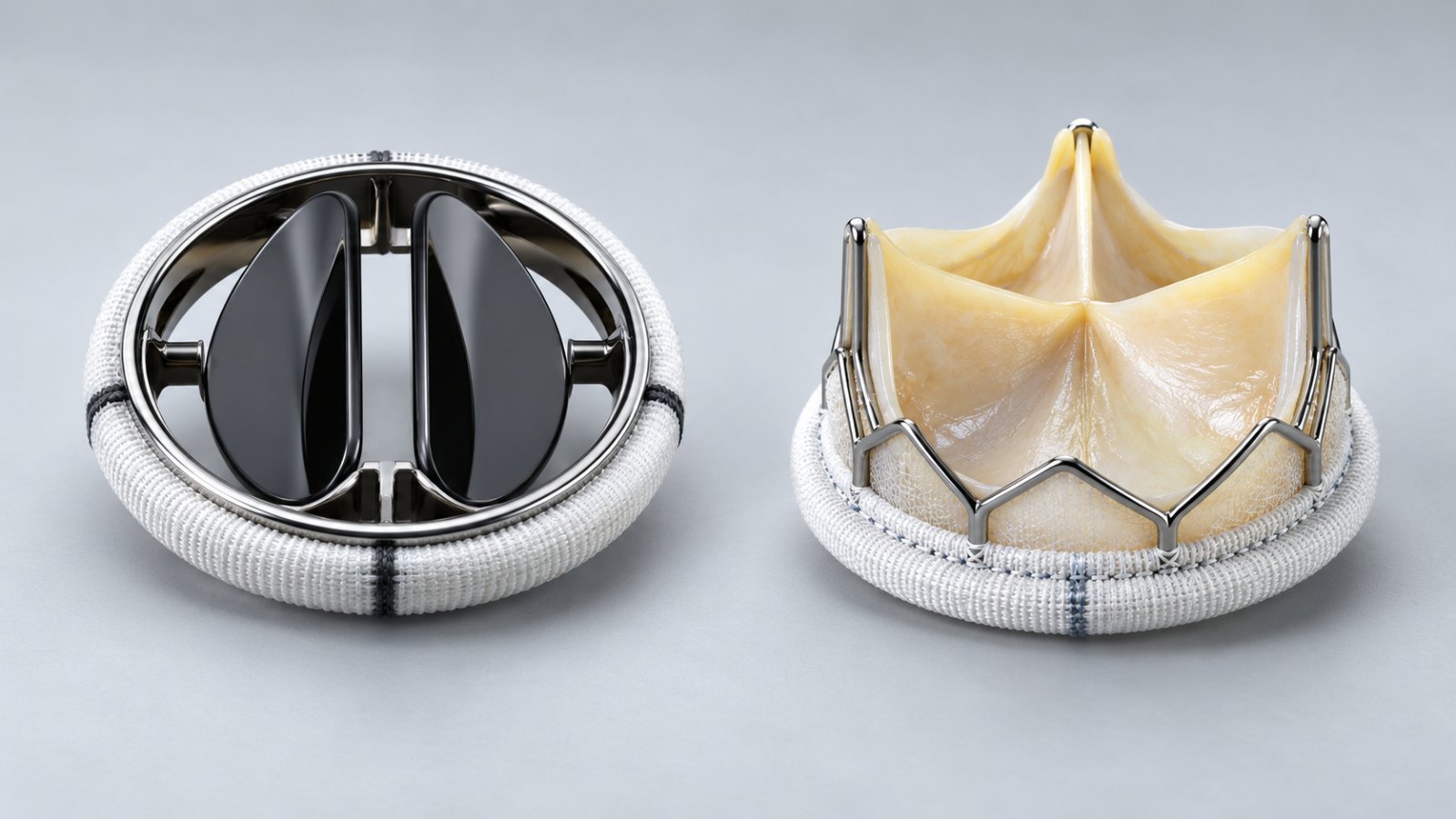
When a valve is too damaged to repair or balloon, it is replaced with either a mechanical valve or a tissue (bioprosthetic) valve. Depending on the situation, this can be done through traditional open-heart surgery or, in selected patients, through minimally invasive heart surgery using smaller incisions.
Mechanical or Tissue Valve? The Big Decision for Young Patients
This is one of the most important conversations in rheumatic heart surgery, because most patients are young and the valve has to serve them for decades.
| Factor | Mechanical valve | Tissue (bioprosthetic) valve |
|---|---|---|
| Durability | Designed to last a lifetime | Wears out over time, faster in younger patients |
| Blood thinners | Lifelong warfarin or acenocoumarol with regular INR tests | Usually not lifelong, unless you have atrial fibrillation or other reasons |
| Newer blood thinners (DOACs) | Not suitable | May be used in some situations |
| Future procedures | Rarely needed for the valve itself | Repeat surgery or a catheter “valve-in-valve” procedure may be needed later |
| Pregnancy | Needs very careful planning because warfarin carries risks to the baby, and pregnancy raises clot risk | Simpler in terms of blood thinners, but the valve may wear out sooner |
Simplified comparison. The right choice depends on your age, lifestyle, other medical conditions and family plans.
There is no universally “better” valve. The best valve is the one that fits your life, and the decision should be made together with your surgeon after an honest discussion of the trade-offs.
🩺 A surgeon’s perspective
In rheumatic valve disease, the operation is only part of the treatment. Long-term success depends just as much on what happens afterwards: steady INR control if you have a mechanical valve, continuing penicillin prophylaxis when advised, dental care, and regular echocardiograms. Patients who stay connected to their heart team tend to do best.
Living Well With Rheumatic Heart Disease
- Keep every follow-up appointment and echocardiogram, even when you feel well.
- If you take warfarin or acenocoumarol, check your INR as advised, keep your diet consistent, and tell every doctor and dentist that you are on a blood thinner.
- Look after your teeth. Brushing twice a day and regular dental check-ups reduce the risk of infective endocarditis, a serious infection of the heart valves. Tell your dentist about your valve condition before any procedure, as you may need antibiotics beforehand.
- Plan pregnancies with your cardiologist, cardiac surgeon and obstetrician together.
- Stay active within the limits your doctor recommends.
Protecting the Next Generation
Rheumatic heart disease is almost entirely preventable. Parents, teachers and school health workers can make a real difference.
- Take sore throats with fever seriously in children, especially if there is no cough or cold, and the glands in the neck are swollen and tender. See a doctor rather than relying on home remedies.
- Complete the full course of antibiotics if strep throat is suspected or confirmed, even after the child feels better.
- Watch for signs of rheumatic fever in the weeks after a sore throat: fever with painful swollen joints that move from one joint to another, unusual jerky movements, rash, or breathlessness.
- Never skip penicillin injections for a child who has had rheumatic fever.
Diagnosed with rheumatic valve disease, or told you may need valve surgery?
Every rheumatic valve is different. Dr. Asher George Joseph evaluates each patient’s valves, heart function and life plans before recommending repair, replacement or a less invasive approach, and explains every option clearly.
Frequently Asked Questions
Can rheumatic heart disease be cured?
Existing valve damage cannot be reversed with medicines, but it can be very effectively treated. Penicillin prophylaxis prevents further damage, and balloon valvotomy, valve repair or valve replacement can restore valve function and relieve symptoms.
Is rheumatic heart disease hereditary?
No, it is not inherited in the usual sense. It is caused by the body’s reaction to a strep throat infection. However, families living in the same conditions may share the risk of strep infections, and some people may be more prone to the immune reaction.
How long do I need penicillin injections?
It depends on your age, how many attacks you have had and how badly the heart was affected. It often continues for many years, sometimes until around age 40 or for life in severe valve disease. Your doctor will decide the duration for you.
What is the life expectancy after mitral valve replacement for rheumatic heart disease?
Many patients live long, active lives after mitral valve replacement, especially when surgery is done before the heart and lungs are severely damaged. Long-term outcomes depend on age, heart function, rhythm problems, and careful follow-up and blood thinner management.
Can a woman with rheumatic heart disease have a normal pregnancy?
Many can, but it requires planning. Severe mitral stenosis often needs treatment before pregnancy. Women with mechanical valves need specialist care to balance blood thinner safety for both mother and baby.
Is balloon valvotomy better than surgery for mitral stenosis?
For suitable patients, balloon valvotomy is an excellent, less invasive option. It is not suitable when the valve is heavily calcified or rigid, when there is significant leakage, or when there is a clot in the heart. In those cases, surgery usually gives better results.