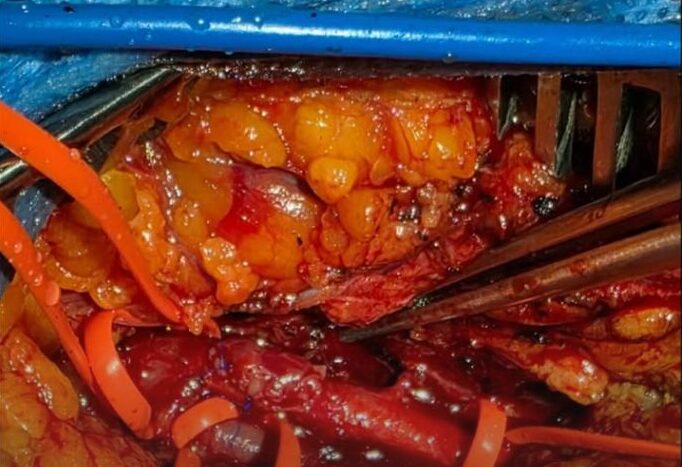
When the heart suddenly fails, every minute matters. Recently, our team placed a patient in acute cardiogenic shock on VA-ECMO, a form of life support that takes over the work of the heart and lungs. Because the patient’s own lungs were also working poorly, we then adapted the setup to a V-AV ECMO configuration. Here is what that means, in plain language.
What is cardiogenic shock?
Cardiogenic shock happens when the heart is suddenly too weak to pump enough blood to the body. It can follow a major heart attack, severe heart muscle inflammation or other acute heart problems. Without enough blood flow, organs like the kidneys, liver and brain begin to fail. It is one of the most serious emergencies in cardiac care.
How ECMO helps
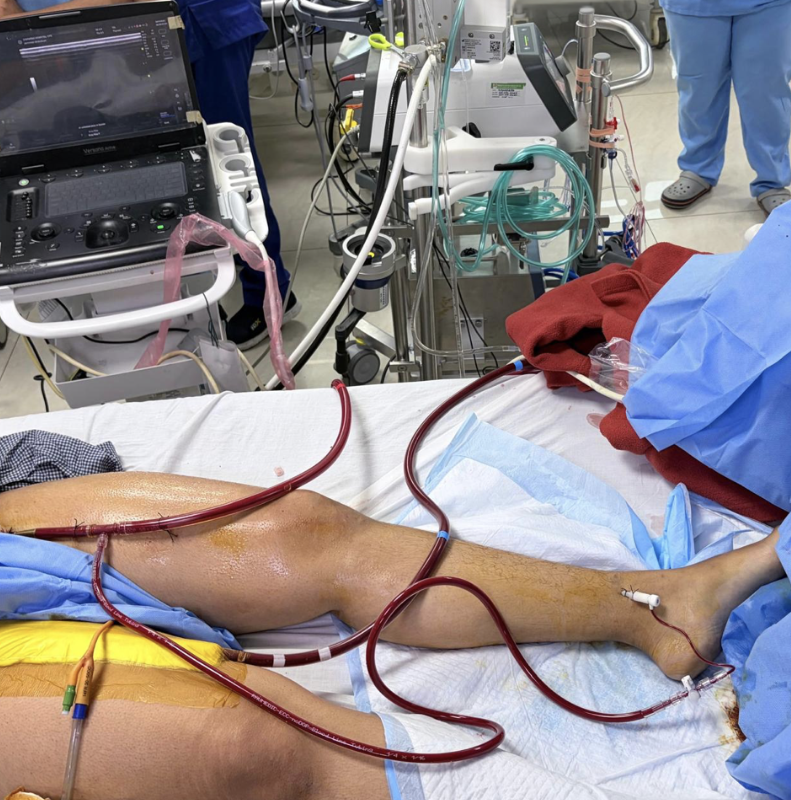
ECMO (extracorporeal membrane oxygenation) is a machine that does the job of the heart and lungs outside the body. Blood is drawn out through a large tube (cannula), passed through an artificial lung that adds oxygen and removes carbon dioxide, and pumped back into the body. This gives a failing heart time to rest and recover, or buys time for the next step, such as a heart pump or a transplant.
In VA-ECMO (veno-arterial), blood is taken from a large vein and returned into an artery, usually through the groin. This supports both circulation and oxygenation.
Why we switched to V-AV ECMO
VA-ECMO works best when the lungs can still do some of their job. In this patient, lung function was poor. As the heart begins to recover and pump on its own, it can push blood that has passed through those weak lungs, and is therefore low in oxygen, to the heart’s own arteries and the brain.
To prevent this, we added a second return line into a vein, creating a V-AV (veno-arterio-venous) configuration. Part of the oxygen-rich blood from the machine now goes to the right side of the heart as well, so the blood the heart pumps out is better oxygenated. It is a tailored solution that supports the heart and the lungs at the same time.
Life support is a team effort
ECMO care needs a team working together around the clock: cardiac surgeons, intensivists, perfusionists, nurses and technicians. Every setting is monitored and adjusted hour by hour as the patient’s condition changes.
Know the warning signs
Cardiogenic shock often begins with a heart attack or sudden heart failure. Seek emergency care immediately for:
- Chest pain or pressure
- Severe shortness of breath
- Fainting, confusion or extreme weakness
- Cold, clammy skin and a racing or weak pulse
Patient details have been kept private. For questions about ECMO, heart failure or cardiac surgery, reach out to Dr. Asher George Joseph for a consultation.