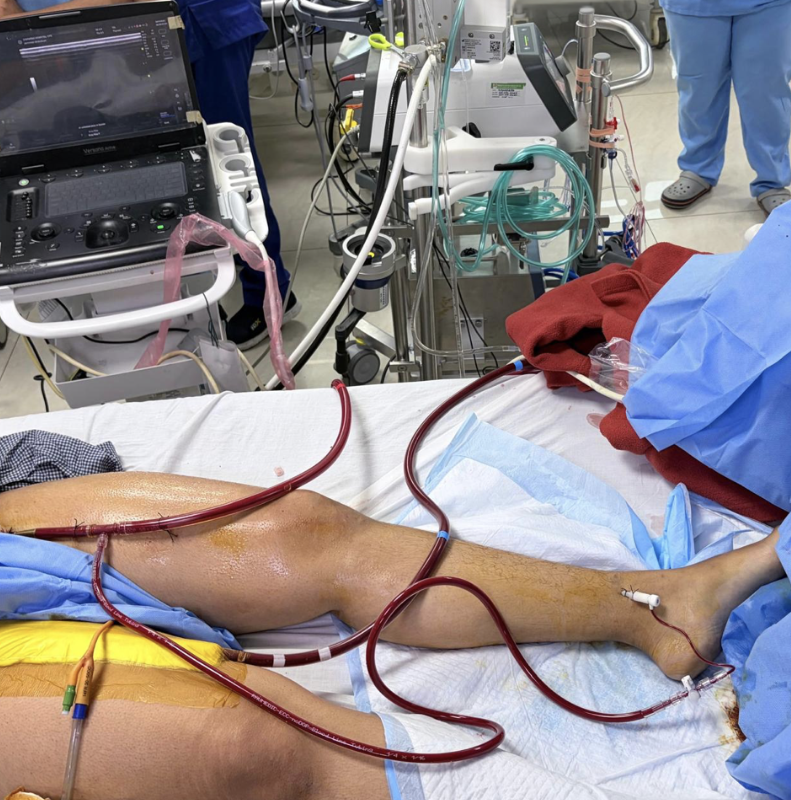
It was 3 am when the call came in. A 19-year-old girl, her whole life ahead of her, had a leg that was losing its blood supply. When an artery is blocked or injured, the tissue it feeds starts dying within hours. That night, the goal in the operating room was simple and urgent: restore blood flow and save her limb.
Why every hour counts
Muscles and nerves can only survive a few hours without oxygen. The longer an artery stays blocked, the higher the risk of permanent damage, and in the worst cases, amputation. This is why vascular emergencies don’t wait for morning. Surgeons work through the night because the window to save a limb is measured in hours, not days.
What limb-salvage surgery involves
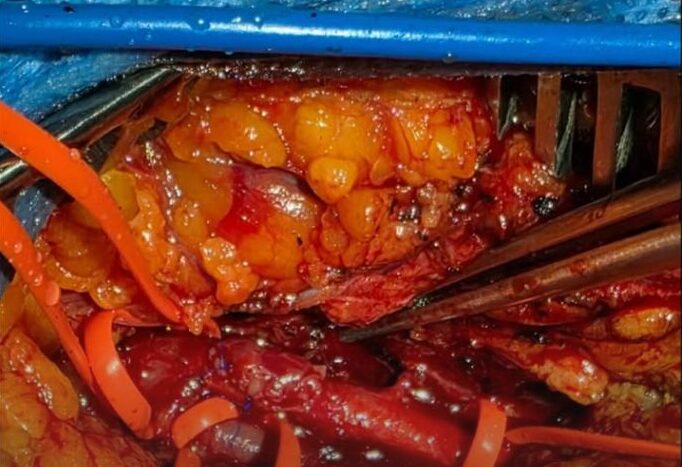
Every case is different, but the aim is always to get blood flowing again. Depending on the cause, this may mean removing a clot, repairing a damaged artery, or bypassing a blocked segment with a graft. The vessels are carefully exposed and controlled, the problem is fixed, and blood flow to the limb is restored and checked before the operation ends. Close monitoring continues for days afterwards.
Warning signs you should never ignore
A sudden loss of blood supply to an arm or leg is a medical emergency. Seek help immediately if you or someone you know has:
- Sudden, severe pain in an arm or leg
- A limb that turns pale, bluish or cold
- Numbness, tingling or weakness
- A weak or absent pulse in the limb
- Difficulty moving the fingers or toes
Young people are not immune. Injuries, blood clotting disorders and other conditions can affect blood vessels at any age.
Behind every 3 am surgery
Moments like this are why we do what we do. Behind every successful limb-salvage operation is a team of surgeons, anaesthetists, nurses and technicians who show up whenever they are needed, so a young patient has the best possible chance of walking out of the hospital on her own two feet.
Patient details have been kept private. If you have questions about vascular or cardiac surgery, reach out to Dr. Asher George Joseph for a consultation.